No minimum order quantity  |  Rush orders available  |  Production and shipping: rush 8–10, standard 22–28 or cost-effective 45–55 business days after artwork approval✉ info@custompackexperts.comNo MOQ · Rush 8–10 · Standard 22–28 · Economy 45–55 business days
No minimum order quantityRush orders availableProduction and shipping: rush 8–10, standard 22–28 or cost-effective 45–55 business days after proof approvalNo MOQ · Rush 8–10 · Standard 22–28 · Economy 45–55 business days
Home › Packaging by Material
Packaging by Material

Packaging by Material

The material you choose decides how your package protects the product, how it looks on a shelf or doorstep, how much it costs to ship, and how customers feel when they open it. A lightweight paperboard carton, a double-wall corrugated shipper and a rigid gift box all solve very different problems.

Use this guide to compare the five material families we work with. Each one links to a detailed page covering structure, print and finishing options, and what to send us for a quote.

Subscription Boxes
Custom Electronics Packaging Boxes
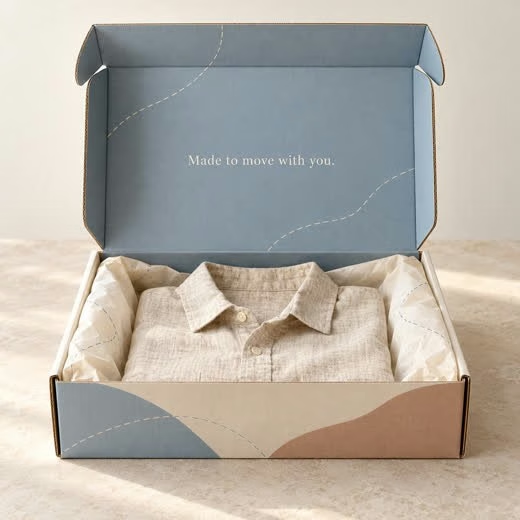
Apparel Packaging Boxes
Jewelry Boxes
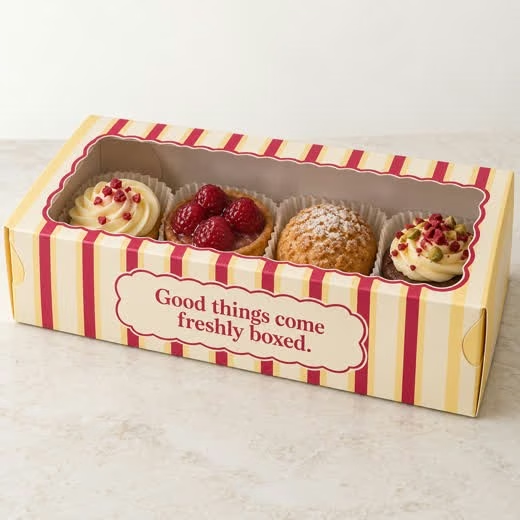
Bakery & Cake Boxes
Food & Beverage Boxes
01

Questions to ask before you pick a material

How will it travel? Parcel carriers, retail shelves and hand delivery put very different stress on a package.

How heavy and fragile is the product? Weight and breakability usually decide between paperboard, corrugated and rigid.

What should the first impression be? Printing detail, texture and finishes change how premium a box feels.

What does your budget allow per unit? Structure, thickness, print coverage and finishing all affect price.

Do you need an environmental story? If so, define it precisely, such as recycled content or recyclability, and match it to the specific stock.

02

Not sure which material fits?

Tell us what you sell, how it ships and what your customer should feel when they open it. We will suggest a structure and material worth sampling, and explain the trade-offs in plain language.

Specifications at a glance

Cardboard (paperboard)Best for retail cartons, cosmetics, supplements and small goods. Smooth surface for sharp printing; light protection, not built for rough shipping alone.
KraftBest for natural-look boxes, mailers, sleeves and food-adjacent goods. Earthy appearance; the brown base shifts print colors darker.
CorrugatedBest for shipping boxes, mailers, heavy or fragile items. Strength and cushioning from fluted layers; less smooth for fine photo printing.
RigidBest for gift sets, jewelry, luxury and premium goods. Premium feel and reusable; higher cost and bulkier to store and ship.
Recycled paperBest for brands with sustainability goals. Uses recovered fiber content; claims must match the actual stock used.

Frequently asked questions

What is the difference between cardboard and corrugated?

In everyday use, cardboard covers both. In packaging, cardboard usually means single-layer paperboard used for folding cartons, while corrugated has a fluted layer between liners, which adds stiffness and cushioning for shipping.

Can I mix materials in one packaging system?

Yes. Many brands use a printed folding carton or rigid box for presentation and a plain or printed corrugated shipper to protect it in transit.

Can you help me choose?

Yes. Share your product dimensions, weight, how it ships and your budget, and we will recommend a direction to review before you order.

How to request a quote

Send your product dimensions, estimated quantity, intended use, preferred material, print coverage, finish preferences and artwork or reference images. If specifications are not final, describe the product and how it will be packed and shipped, and our team will help you decide.

  • Product dimensions and weight
  • Estimated order quantity
  • How the package will be used: retail, shipping, gifting or storage
  • Preferred material, if you have one
  • Print coverage and finish preferences
  • Artwork files or reference images